
More Information
Submitted: April 28, 2026 | Accepted: May 05, 2026 | Published: May 06, 2026
Citation: Bankole HB, Adewale JG. Boosting Student Achievement in Basic Science with Innovative Technology-Enabled Assessment Package J Community Med Health Solut. 2026; 7(1): 47-54. Available from:
https://dx.doi.org/10.29328/journal.jcmhs.1001072
DOI: 10.29328/journal.jcmhs.1001072
Copyright license: © 2026 Bankole HB, et al. This is an open access article distributed under the Creative Commons Attribution License, which permits unrestricted use, distribution, and reproduction in any medium, provided the original work is properly cited.
Keywords: Technology-enabled assessment; Constructivist learning theory; Basic science achievement; Feedback and remediation; ICT in education; Gender equity in STEM; Quasi-experimental design; Nigerian secondary schools

Boosting Student Achievement in Basic Science with Innovative Technology-Enabled Assessment Package
Hannah Bosede Bankole1* and Jeremiah Gbenga Adewale2
1Department of Science and Technology, University of Johannesburg, Auckland Park, Johannesburg, South Africa
2Institute of Education, University of Ibadan, Ibadan, Nigeria
*Corresponding author: Hannah Bosede Bankole, Department of Science and Technology, University of Johannesburg, Auckland Park, Johannesburg, South Africa, Email: [email protected]
The persistent decline in junior secondary school students’ performance in Basic Science in Nigeria underscores the need for innovative instructional strategies. This study examined the impact of the Innovative Technology-Based Assessment Learning Package (ITBALP) on the achievement of JSS Two students in Ibadan, with gender as a moderating variable. Grounded in constructivist learning theory, the study used a quasi-experimental pretest-posttest control group design across six schools, with 150 students randomly selected. Schools were assigned to three groups: ITBALP with feedback and remediation (FR), ITBALP with feedback only, and a control group taught using conventional textbook methods. The Basic Science Achievement Test, validated with Cronbach’s alpha (r = 0.79), served as the instrument. Data were analyzed using ANCOVA at p = 0.05, and assumption checks confirmed robustness. Results showed a significant main effect of treatment on achievement (F(2,131) = 294.4, p < 0.05), with the FR group achieving the highest mean score (x̅ = 82.30), followed by the feedback group (x̅ = 63.04), and the control group (x̅ = 32.10). Gender had no significant main effect, and there was no treatment-by-gender interaction, indicating that ITBALP benefits both male and female students equitably. The findings underscore the value of integrating technology-enabled assessment with feedback and remediation to foster active, self-paced learning and improve science achievement. The study contributes to knowledge by operationalizing constructivist principles through digital assessment tools, offering evidence-based recommendations for teachers, curriculum planners, and policymakers to strengthen inclusive science education in Nigeria.
Science, as an intellectual and practical activity, involves the systematic study of the physical and natural world through observation and experimentation. It encompasses a body of knowledge that includes concepts, laws, theories, and generalizations, forming the foundation for understanding the universe and developing new technologies [1]. Science education is crucial for national development, providing the knowledge and skills needed to address diverse challenges and promote innovation [2]. Basic Science, a foundational subject in the educational curriculum, prepares students for advanced studies in Biology, Chemistry, and Physics, contributing to their overall academic growth and future career prospects [3]. Despite the importance of Basic Science, students’ performance in this subject has declined, particularly in Nigeria (Ogunjobi, 2016). Fluctuating results in the Basic Education Certificate Examination (BECE) highlight the need for effective interventions to enhance students’ understanding and achievement in Basic Science [4]. Factors such as teachers’ workload and gender biases exacerbate the issue, necessitating innovative solutions to improve educational outcomes [2].
The Innovative Technology-Based Assessment Learning Package (ITBALP)) integrates digital tools to facilitate assessment, provide immediate feedback, and support continuous learning [5]. ITBALP, which includes feedback and remediation components, offers a comprehensive approach to assessing and supporting student learning, ensuring that students receive timely guidance and opportunities to address their learning gaps [6]. However, the specific effects of ITBALP on students’ achievement in Basic Science, particularly in the Nigerian context, remain underexplored. Additionally, the interaction between ITBALP and gender in influencing academic performance needs further investigation.
The relevance of this study lies in its potential to enhance the quality of science education in Nigeria, contributing to the broader goal of national development. By integrating ITBALP into Basic Science education, this study aims to provide a learner-centered activity-oriented approach that promotes active learning and critical thinking [7]. The findings will offer insights into effective strategies to improve student achievement and address identified challenges, such as fluctuating performance and gender bias, in the educational system. In addition to addressing gaps in the existing literature, we explored the mechanisms by which ITBALP influences student achievement. Integrating ITBALP into the classroom is expected to create a more engaging, interactive learning experience, allowing students to take control of their learning. By receiving immediate feedback and engaging in continuous assessment, students can identify their strengths and weaknesses, enabling them to focus on areas that require improvement. This personalized approach to learning is anticipated to foster a deeper understanding of Basic Science concepts and improve overall academic performance [8].
Furthermore, this study examined the role of gender in the effectiveness of ITBALP. Previous research has highlighted how gender biases and stereotypes affect students’ confidence and interest in science subjects [6]. By analyzing the interaction between ITBALP and gender, this study aims to determine whether a technology-based assessment strategy can mitigate these biases and promote equal opportunities for all students. Understanding these dynamics is crucial for developing targeted interventions that support both male and female students in achieving their full academic potential in Basic Science [9]. This study aims to investigate the effect of ITBALP on students’ achievement in Basic Science, examine the influence of gender on academic performance, and determine the interaction effect between ITBALP and gender. By addressing these objectives, this research seeks to fill existing gaps in the literature, provide evidence-based recommendations for educational practice, and contribute to ongoing efforts to improve science education in Nigeria. The following hypotheses will be examined in this research;
1. There is no significant main effect of Innovative Technology-Based Assessment methods on students’ achievement in Basic science.
2. There is no significant main effect of gender on achievement of students in Basic science.
3. There is no interaction effect between technology-enabled assessment methods and gender on students’ achievement in Basic science.
Underpinning theoretical framework
Constructivist learning theory: Constructivist Learning Theory, also known as constructivism, emphasizes students’ active role in learning. According to this theory, students construct knowledge through their experiences and interactions with the environment. In a constructivist classroom, students are encouraged to explore, question, and reflect on new concepts and ideas rather than passively receiving information. This approach promotes critical thinking, problem-solving skills, and a deeper understanding of the subject matter. Several studies have confirmed the effectiveness of constructivist learning in improving student learning outcomes. For example, Zajda [10] conducted a meta-analysis of constructivist-based instructional strategies and found that these strategies positively impact student achievement across various subjects. Additionally, Kumari and Kumar [11] observed that students taught using constructivist methods demonstrated higher motivation, engagement, and knowledge retention than those in traditional classrooms. By integrating technology-enabled assessment with constructivist learning theory, educators can create a powerful learning environment that promotes active engagement, personalized learning, and improved academic outcomes. In the following sections, we will explore the potential benefits and challenges of using technology-enabled assessment in a constructivist classroom [12].
Constructivist learning theory aligns with ITBALP’s principles, as both emphasize student-centered learning and the development of critical thinking and problem-solving skills. ITBALP further aligns with this theory by providing students with interactive assessments that require them to apply their knowledge in practice. The immediate feedback and remediation components of ITBALP help students refine their understanding and deepen their comprehension of the subject matter. Anderson et al. (2022) noted that constructivist approaches, such as inquiry- and problem-based learning, promote deeper understanding and knowledge retention. According to constructivist theory, prior knowledge and context are crucial in shaping new learning experiences. Students bring their own backgrounds and perspectives to the learning process, which influence how they interpret and understand new information. ITBALP can be customized to accommodate different learning styles and backgrounds, ensuring that all students have the opportunity to succeed. By grounding the study in constructivist learning theory, the research aims to highlight ITBALP’s potential to create a more engaging and effective learning environment that supports student-centered learning and promotes academic success [12]. (Figure 1, which compares traditional and constructivist classrooms).
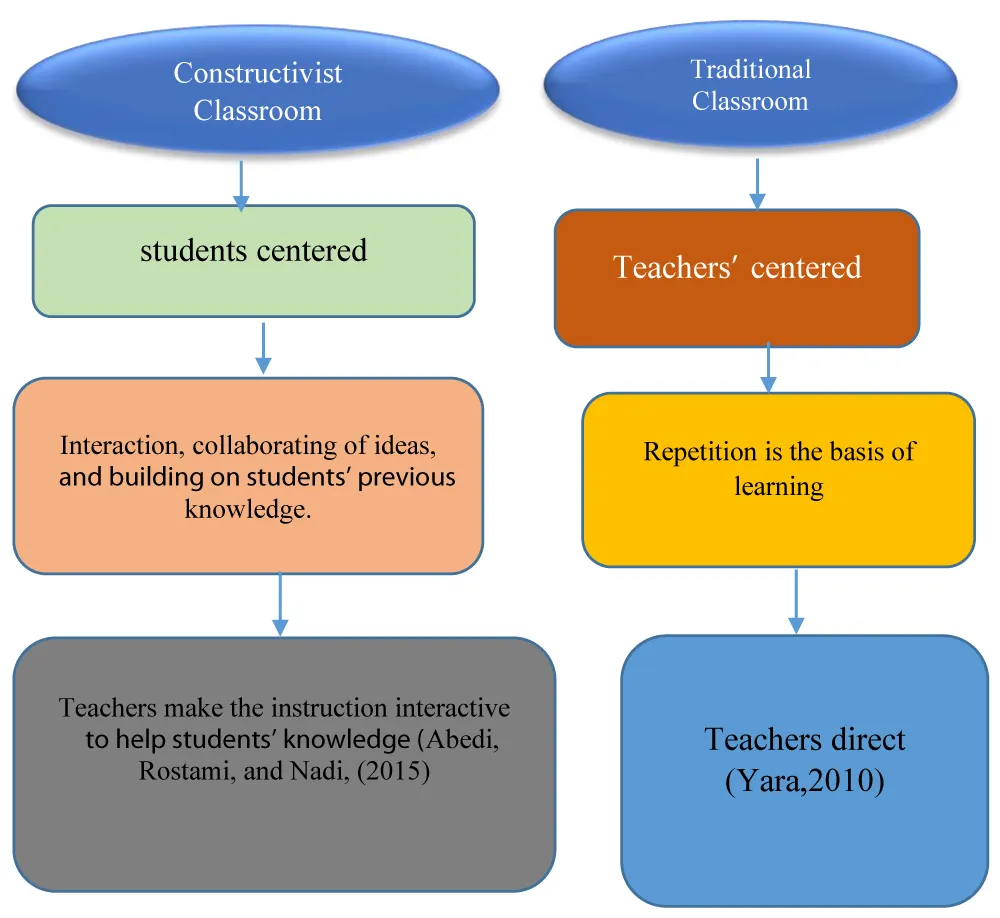
Figure 1: Comparing traditional and constructivist classrooms.
Previous studies
Several empirical studies have examined the impact of ITBALP on student achievement. Heinrich, Webb, and Gibson [5] found that students who used ITBALP assessment tools performed better on standardized tests than peers in traditional classrooms. This suggests that ITBALP can enhance students’ understanding of complex concepts and improve academic performance. Devedžić and Devedžić [13] examined the effectiveness of Technology-Enabled Assessment for Learning Packages (ITBALP in Nigerian schools. Results indicated that ITBALP, which includes feedback and remediation, significantly improved students’ achievement in Basic Science.
The study also found that ITBALP helped students develop better study habits and increased their motivation to learn. Gender differences in academic achievement have been widely studied, with mixed findings. Liccardo, et al. [14] noted that gender biases and stereotypes can undermine students’ confidence and interest in science, often discouraging female students from pursuing careers in science and technology. Addressing these biases is crucial for promoting gender equity in education. Several studies have explored strategies to mitigate gender disparities in academic achievement. For instance, Towolawi and Onuka [15], highlighted the importance of creating supportive learning environments that encourage both male and female students to excel. They suggested that interventions such as TEAL could help level the playing field by providing equal opportunities for all students to demonstrate their knowledge and skills.
The study used a quasi-experimental technique with a control group, pretest, and post-test design.
This research design was chosen because the variables are inherently non-manipulable and beyond the researcher’s control. The study uses the following independent variable: Innovative Technology-Based Assessment Learning Package with Feedback and Remediation. The moderating variable is gender. The population of this study was J.S. 2 students in public secondary schools in Ibadan City, Oyo State, with at least 25 functional computers and 25 students per school, for a total of 150 students across all schools. All public secondary schools in Ibadan are spread across eleven local government areas, which are educationally zoned into four.
For this study, Ibadan city was primarily used, specifically Zones 1 and 2. There are 196 secondary schools in the two zones. Three schools were chosen from each zone. The study’s participants were chosen using multi-stage sampling techniques.
At the beginning, the first stage, public schools in Ibadan city were stratified into two zones: Zone I and Zone 2. At the second stage, schools with 25 functional computers were selected. At the third stage, three (3) schools from each zone (zone 1 and zone 2), 25 functional or working computers were selected at random for the study. The following factors were taken into consideration when selecting schools: schools with a computer room and at least 25 functioning computers; co-educational schools; and schools located far from one another to prevent excessive overlap among participants.
Reliability and validity of forty multiple-choice items which were constructed by the researcher on the topic selected through a diagnostic questionnaire, from the topics were: Chemicals, Energy, and Crude oil and petroleum, which were validated using a test blueprint covering the five Bloom’s taxonomy levels of learning goals (Knowing, Understanding, Applying, Analyzing, and Evaluating). Opinions of teachers and research analysts were sought concerning the appropriateness of the items. Its reliability has been established using the Kuder-Richardson Formula 20, with a value of 0.71.
Science teachers, particularly experienced basic science teachers, computer scientists, educational technologists, and the researcher’s supervisor, validated the packages. They considered loudness, text accessibility, and the ease of use of the treatment package. Items in each unit of the package were verified, and the keys and distractors were checked. Corrections, comments, and advice were considered, and amendments were made. The two treatment groups were exposed to the learning packages: group 1 to the Innovative Technology-Based Assessment Strategy with Feedback and Remediation (ITBALPFR), group 2 to the Innovative Technology-Based Assessment Strategy with Feedback only (ITBALPF), and the control group to no treatment. They were taught using the conventional, teacher-centered method of textbook reading. The three groups were assessed using computers, with each student seated at a computer without any external body present.
A quasi-experimental pretest-posttest control group design was used because random assignment of individual students was not feasible in intact school settings. This design allowed comparison of treatment and control groups while controlling for initial differences using ANCOVA. To minimize potential confounding variables, schools were stratified by zone and selected for comparable resources (e.g., functional computer laboratories). Within each school, students were randomly sampled to ensure representativeness. Intervention procedures were standardized: Group 1 (ITBALPFR) received the package that included both feedback and remediation, with corrective exercises tailored to individual errors. Group 2 (ITBALPF) received the package containing only feedback, without remediation tasks. The control group was taught using conventional textbook-based methods.
Each intervention lasted six weeks, with students attending weekly sessions of equal duration. Teachers were trained to administer the packages consistently to ensure implementation fidelity.
HYP 1: There is no significant main effect of Innovative Technology-Based Assessment methods on students’ achievement in Basic science.
ITBALPF- Innovative technology-based assessment strategy with feedback
ITBALPFR- Innovative technology-based assessment strategy with feedback and remediation
The results of the analysis of covariance (ANCOVA) of post-test achievement scores in Basic Science are summarized in Table 1 by treatment (Package + Feedback, Package + Feedback + Remediation) and by Gender. The treatment (Package + Feedback + Remediation) has a considerable impact on students’ performance in Basic Science, as shown in the table. After correcting for covariance, F(2,131) = 294.4, p < 0.05 (pre-test score in Basic Science). Assumptions of ANCOVA were tested. Normality of residuals was confirmed, Levene’s test indicated homogeneity of variance (p > 0.05), and the homogeneity of regression slopes assumption was met, supporting the robustness of the analysis.
| Table 1: Basic science students’ achievement: estimated marginal mean of treatment and gender. | |||||
| Treatment | Gender | Mean | Std. Error | 95% Confidence Interval | |
| Lower Bound | Upper Bound | ||||
| Package + feedback + Remediation | Male | 84.974 | 2.136 | 80.748 | 89.200 |
| Female | 79.619 | 2.312 | 75.046 | 84.192 | |
| Package + feedback | Male | 65.377 | 2.133 | 61.157 | 69.598 |
| Female | 60.693 | 1.466 | 57.793 | 63.593 | |
| Textbook reading(control) | Male | 32.222 | 1.654 | 28.950 | 35.494 |
| Female | 31.968 | 1.891 | 28.226 | 35.709 | |
This led to the rejection of the null hypothesis, which claimed that there was no main effect of treatment on students’ achievement in Basic Science. This suggests that the pupils’ academic performance and learning were significantly impacted by the treatment. Additionally, the data reveal that Cohen judged the Partial Eta Square (2) to be 0.82, a substantial effect size (1988).
It was revealed that Experimental Group 1 (Package +feedback+ remediation) has the highest mean score x? = 82.30, followed by participants in Experimental Group 2 (Package + feedback) with x̅ = 63.04, while the control group (Textbook reading) had x̅ = 32.10. This indicates that the remediation group performed better than the other groups, while the feedback group had higher achievement scores than the textbook reading group, which is the control group. Figure 2 further displayed the computed marginal mean score.
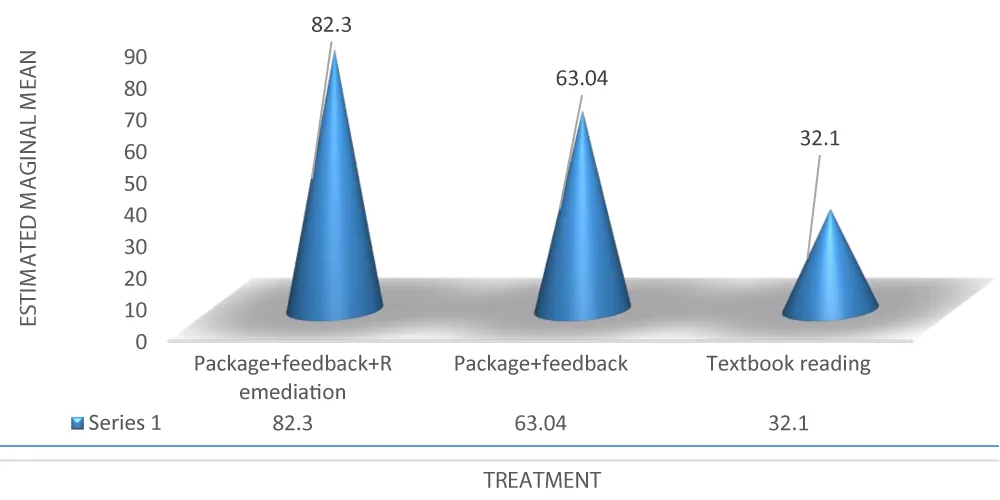
Figure 2: Chart showing the estimated marginal mean of Students’ achievement in Basic Science by Treatment {ITBALPFR, ITBALPF and Textbook reading (Control)}.
Hyp 2: There is no significant main effect of gender on achievement of students in Basic science.
Gender has no substantial main effect on students’ achievement in Basic Science. F (1,131) = 4.78, p > 0.05, as shown in Table 2, indicates that there is no substantial effect of gender on students’ performance in Basic Science. Since there is no discernible major effect of gender on students’ achievement in Basic Science, the null hypothesis, which states that there is no significant main effect of gender on students’ achievement in Basic Science, was not rejected. The findings are presented in Table 2, and Figure 3 shows the estimated marginal mean of students’ achievement in Basic Science.
| Table 2: Summary of the students' analysis of covariance (ANCOVA) Achievement in Basic Science by Treatment (ITBALPF, ITBALPFR), and Gender. | ||||||
| Source | Type III Sum of Squares | Df | Mean Square | F | Sig. | Partial Eta Squared |
| Corrected Model | 73657.951 | 18 | 4092.108 | 61.108 | 0.000 | 0.894 |
| Intercept | 11970.794 | 1 | 11970.79 | 178.76 | 0.000 | 0.577 |
| Pretest | 1126.883 | 1 | 1126.883 | 16.828 | .0020 | 0.114 |
| Treatment | 39427.422 | 2 | 19713.71 | 294.39 | 0.000 | 0.818 |
| Gender | 319.822 | 1 | 310.822 | 4.776 | 0.061 | 0.035 |
| Treatment * Gender | 151.700 | 2 | 75.850 | 1.133 | 0.325 | 0.071 |
| Error | 8772.422 | 131 | 66.965 | |||
| Total | 591448.00 | 150 | ||||
| Corrected Total | 82430.373 | 149 | ||||
| R Squared = .894 (Adjusted R Squared = .879) | ||||||
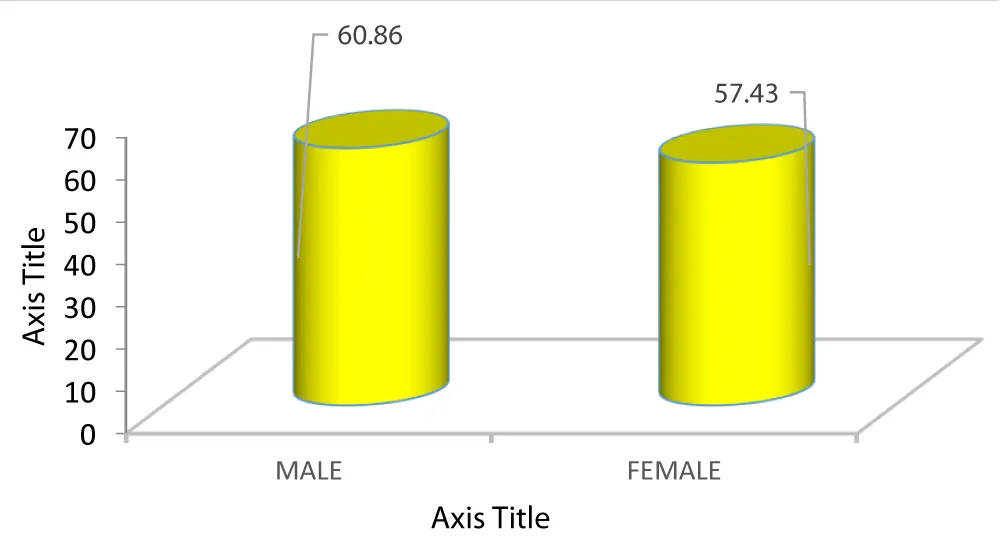
Figure 3: Chart showing the Estimated Marginal Mean of Students’ Achievement in Basic Science by Gender.
Based on the estimated marginal mean (EMM), males have the highest mean achievement score of 60.86, while females have 57.43. The performance of males, who had the highest mean achievement scores, can be attributed to the treatment they received, namely, the use of computers. Although males had slightly higher mean scores than females, the difference was not statistically significant (F (1,131) = 4.78, p > 0.05). This suggests that both genders benefited similarly from ITBALP. The small differences observed may reflect broader sociocultural influences on students’ confidence with technology rather than inherent ability. Some vocations, like engineering (computer engineering), agriculture, web design, and graphic design, to name a few, are attributed to males rather than females. Consequently, many females go to school with this fixed mind, thereby weakening their minds in technology-based subjects. Figure 3 also displayed the calculated marginal mean score.
Hyp 3: There is no interaction effect between technology-enabled assessment methods and gender on students’ achievement in Basic science.
Table 1 presents the results of an analysis of variance (ANOVA) examining the interaction effects of gender and the Innovative Technology-Based Assessment Strategy Packages (ITBALPF, ITBALPFR) on students’ achievement in basic science. According to the table, there was no significant first-order interaction effect between treatment and gender on students’ performance in Basic Science, as indicated by an F-value of 3.25 and a p - value > 0.05. This means there was insufficient evidence to suggest that the Innovative Technology-Based Assessment Strategy Package (ITBALPF, ITBALPFR) had a different impact on students’ performance by gender. The null hypothesis, which asserted that there was no obvious first-order interaction effect of therapy and gender on students’ achievement in Basic Science, was not rejected.
The treatment has its own effectiveness and potency, regardless of the participant’s gender, because it is not gender sensitive. Nevertheless, the mean score of males, which is 84.97, is higher than that of females (79.61) in group one (Package+ feedback +Remediation), mean score of males which is 65.38 is higher than that of females (60.69) in group two (Package+feedback) as well as in control group the mean score of males 32.22, is high than that of females (31.97).
The significant effect of ITBALPFR on student achievement can be explained through the lens of constructivist learning theory. By providing immediate feedback and remediation, the package enabled learners to actively reconstruct knowledge, identify misconceptions, and refine their understanding. This aligns with Dewey’s emphasis on experiential learning and with [16], who demonstrated that technology-based feedback fosters self-regulation and independent thinking.
The findings also resonate with Heinrich, Webb, and Gibson [5], who reported improved performance with technology-enabled assessment tools, and extend prior Nigerian studies [13] by showing that remediation components yield the strongest gains.
Importantly, gender did not significantly moderate outcomes, suggesting that ITBALP provides equitable benefits for male and female students. This supports Omotayo and Oludipe & Oludipe [17,18], who found no gender differences in mathematics and science achievement when effective instructional strategies were applied. Rather than attributing differences to stereotypes, the results highlight that equitable access to technology-based learning environments can mitigate gender disparities.
After accounting for covariance, the main effect of treatments (ITBALPFR, ITBALPF) on students’ performance in Basic Science (pre-test score) was statistically significant. It indicates that there was variation in students’ Basic Science test scores due to treatment adjustments.
In other words, students in each group performed differently; the best performance came from the ITBALPFR (experimental 1) (Innovative Technology-Based Assessment Strategy with Feedback and Remediation) group, followed by their peers in the ITBALPF (experimental 2) (Innovative Technology-Based Assessment Strategy with Feedback) group, and the least performance came from the control group (Textbook Reading) students. This result may not be connected with the fact that students were not only provided with the feedback of their assessment with remediation alone but they were also made to learn at their own pace with the use of computer, alongside identifying the source of their errors with the solution to errors from the computers beside another assessment was given to them on the same concept to test the level of their understanding. The treatments for experiment I and experiment II were significant not only because of feedback and remediation, but also because participants were able to learn at their own pace using a computer, with the addition of colors, videos, pictures, animations, voice, and graphics that can motivate learning. This aligns with Liu, et al.
[16] findings that technology-based feedback encourages learners to monitor their learning and correct their errors, thereby empowering them to become independent thinkers. The results of the study show that within the two experimental groups, significant differences were obtained in favor of the remediation group.
The fact that both males and females were exposed to the same learning approach, which helped them learn in similar ways, may be related to the non-significant result obtained when gender was accounted for. This is in accordance with the findings of Omotayo [17], who discovered no gender differences in junior secondary schools’ academic performance in mathematics. According to the results, which were obtained using the same methodology for both male and female students, males had a higher mean achievement score of 60.86, while females had 57.43.
The performance of males, who have the highest achievement scores, compared with females, can be attributed to the treatment they received, namely the use of computers. The non-significant gender effect indicates that ITBALP provides equitable learning opportunities. This finding aligns with Omotayo and Oludipe & Oludipe [17,18], who reported no gender differences in mathematics and science achievement when effective instructional strategies were used. Although socio-cultural factors may influence students’ confidence in technology-based tasks, the results demonstrate that structured, supportive interventions can mitigate these influences. Consequently, many females go to school with this fixed mindset, thereby weakening their performance in technology-based subjects. However, the result differs from that of Sebastian-Tirado [19], who found sex-related differences in mathematics achievement.
This also contradicts Liccardo [14], who noted that gender differences in science achievement remain a concern as scientists seek to address the underrepresentation of women at the highest levels of the physical sciences and engineering. Some vocations and professions have been regarded as male-dominated, such as engineering, arts and crafts, and agriculture, while others are regarded as female-dominated, such as catering, nursing, typing, and decorating. Consequently, an average Nigerian female goes to school with these fixed stereotypes. Gender is one of the factors that has considerable effects on students’ academic performances, especially in science subjects (Rahmati, 2015). The significance of investigating achievement in relation to gender stems mainly from socio-cultural differences between girls and boys. When suitable teaching strategies or procedures are applied, the results of this study and certain earlier studies provide sufficient support for the claim that gender is not a barrier.
Regarding students’ performance in Basic Science, the treatment-by-gender interaction was not statistically significant. The treatment-by-gender interaction explained less than 1% of the variation in students’ achievement in Basic Science. Although treatment had a considerable impact on students’ Basic Science performance, gender had no discernible influence. The non-significant result may be due to both males and females being exposed to the same learning approach, resulting in similar benefits. This supports Oludipe and Oludipe [18], whose findings show that male and female students improved similarly on the science achievement test. It also supports Omotayo [17], who concluded that there was no discernible interaction between treatment, gender, and student achievement in mathematics.
This result differed from that of Usman, et al. [20], who found a statistically significant interaction between gender and teaching strategy on geometry achievement. This study demonstrated that student achievement is more strongly influenced by treatment than by gender. In recent years, gender inequality in educational achievement and opportunity has been recognized as a major obstacle to women’s participation in national development. Various findings have revealed gender differences in performance and in the teaching of the sciences in both junior and senior secondary schools.
The Innovative Technology-Enabled Assessment for Learning Packages significantly improved students’ performance in basic science and their attitudes toward the subject, according to the study’s findings. Students learn and perform better when an effective instructional strategy is used. It was found that students understand concepts more effectively when they learn at their own pace on a computer, using videos, pictures, and charts as instructional aids.
The aim of developing a learning package on Basic science is to provide an appropriate teaching method that enables students to learn more effectively and build a strong foundation in science, helping them acquire skills and develop an interest in becoming self-dependent and self-reliant in the future. It is also useful for eradicating or reducing learning inconsistencies during any epidemic. The use of appropriate teaching methods, such as the Technology-Enabled Assessment for Learning Package, may be effective in teaching and learning because they avoid abuse, scolding, or anxiety. Female students, particularly at the Basic level, should be encouraged and supported in engaging with science and technology-related subjects. Providing equitable access to ICT tools and fostering inclusive classroom environments can help reduce gender disparities in STEM education.
Recommendations
In light of this study’s findings, several recommendations are proposed to strengthen Basic Science education. Students should be encouraged to use modern ICT tools judiciously to acquire and consolidate knowledge through the Innovative Technology-Based Assessment Learning Package (ITBALP). Teachers should be trained and supported in adopting computer-based multimedia instruction for both teaching and assessment, as this approach has proven more effective and engaging than traditional textbook-based methods. Female students, particularly at the Basic level, should be motivated to develop an interest in science and technology-related subjects to reduce gender disparities in STEM education. Curriculum planners must integrate learning packages that incorporate computer use in classrooms to enhance skill acquisition and knowledge retention, while government authorities should authorize their use and provide adequate funding for their development. Furthermore, schools require updated Microsoft computers and well-equipped computer laboratories to improve instructional efficiency. Finally, government agencies should organize courses, workshops, and seminars for teachers on the innovative use of ICT in teaching, thereby fostering creativity, inclusivity, and effectiveness in science education.
Limitations and future research
While this study offers valuable insights into the effectiveness of the Innovative Technology-Based Assessment Learning Package (ITBALP) in improving Basic Science achievement, several limitations should be acknowledged. First, the quasi-experimental design, though appropriate for intact school settings, limits causal inference compared with randomized controlled trials.
Future studies could employ randomized design or longitudinal approaches to strengthen causal inference. Second, the study was conducted in a limited number of schools in Ibadan, which may limit the generalizability of the findings to other regions or educational contexts. Expanding the sample to include diverse geographic and socioeconomic settings would enhance external validity.
Third, while ANCOVA was used to control for pretest differences, other potential confounding variables, such as teacher experience, student motivation, and access to technology outside school, were not fully examined. Future research should incorporate these factors to provide a more comprehensive understanding of ITBALP’s impact.
Fourth, the study focused primarily on achievement outcomes; however, additional dimensions, such as student attitudes, engagement, and long-term knowledge retention, were not assessed. Future investigations could adopt mixed-methods approaches to capture these broader educational effects.
Finally, although gender was included as a moderating variable, the study did not explore other equity-related factors, such as socioeconomic status, language background, or prior exposure to ICT. Future research should examine these dimensions to ensure that ITBALP supports inclusive learning for all students.
Contribution to knowledge
This study contributes to the growing body of research on technology-enabled assessment by demonstrating the effectiveness of the Innovative Technology-Based Assessment Learning Package (ITBALP) in improving student achievement in Basic Science. By integrating feedback and remediation within a constructivist learning framework, the study provides empirical evidence that learner-centered, technology-supported strategies can significantly improve academic outcomes compared with traditional textbook-based methods.
The findings advance theoretical understanding by demonstrating how constructivist principles, such as active engagement, self-paced learning, and immediate feedback, can be operationalized through digital assessment tools. Practically, the study offers actionable insights for teachers, curriculum planners, and policymakers on embedding ICT-based packages in classroom practice to promote inclusivity and equity. Importantly, the results show that ITBALP benefits male and female students equally, reinforcing its potential as a gender-neutral intervention to strengthen science education and STEM in Nigeria. Inclusive of this, this research bridges the gap between theory and practice by providing a replicable model of technology-enabled assessment that can inform future innovations in science education, both within Nigeria and in comparable educational contexts globally.
- Urevbu AO. Methodology of science teaching. Lagos: Juland Education Publishers; 2016. Available from: https://books.google.co.in/books/about/Methodology_of_Teaching_Science.html?id=72VaABtL4noC&redir_esc=y
- Da Silva JGC. Science and scientific method. Int J Sci Res. 2022;11(4):621-633. Available from: https://doi.org/10.21275/SR22412084104
- Coccia M. The evolution of scientific disciplines in applied sciences: dynamics and empirical properties of experimental physics. Scientometrics. 2020;124(1):451-487. Available from: https://doi.org/10.1007/s11192-020-03464-y
- Wu H. Revealing natural laws and exploring the world: An introduction to scientific research methods. 2024.
- Webb M, Gibson D. Technology enhanced assessment in complex collaborative settings. Educ Inf Technol. 2015;20(4):675-695. Available from: https://doi.org/10.1007/s10639-015-9413-5
- Alavi SM, Dashtestani R, Mellati M. Crisis and changes in learning behaviours: Technology-enhanced assessment in language learning contexts. J Further High Educ. 2022;46(4):461-474. Available from: https://doi.org/10.1080/0309877X.2021.1985977
- Khan RA, Jawaid M. Technology enhanced assessment (TEA) in COVID-19 pandemic. Pak J Med Sci. 2020;36(COVID19-S4):S108. Available from: https://doi.org/10.12669/pjms.36.COVID19-S4.2795
- Kumar A, Sarkar M, Davis E, Morphet J, Maloney S, Ilic D, et al. Impact of the COVID-19 pandemic on teaching and learning in health professional education: a mixed methods study protocol. BMC Med Educ. 2021;21:439. Available from: https://doi.org/10.1186/s12909-021-02871-w
- Jopp R. A case study of a technology enhanced learning initiative that supports authentic assessment. Teach High Educ. 2020;25(8):942-958. Available from: https://doi.org/10.1080/13562517.2019.1613637
- Zajda J. Constructivist learning theory and creating effective learning environments. In: Globalisation and education reforms: Creating effective learning environments. Cham: Springer; 2021. p. 35-50. Available from: https://doi.org/10.1007/978-3-030-71575-5_3
- Kumari G, Kumar N. Constructivism in learning. Educ Quest. 2022;13(3):207-213. Available from: https://doi.org/10.30954/2230-7311.3.2022.5
- Saleem A, Kausar H, Deeba F. Social constructivism: A new paradigm in teaching and learning environment. Perenn J Hist. 2021;2(2):403-421. Available from: https://doi.org/10.52700/pjh.v2i2.86
- Devedžić VB, Devedžić M. Technology-enhanced assessment at universities and in schools: An initiative. Int J Learn Teach. 2019;11(3):89-98. Available from: https://doi.org/10.18844/ijlt.v11i3.4319
- Liccardo A, Gargano A, Pastena A. The gender of science: A scientific analytically-based project to enhance secondary school students’ awareness of gender stereotypes in STEM. Educ Sci. 2025;15(3):270. Available from: https://doi.org/10.3390/educsci15030270
- Towolawi KO, Onuka OUO. Students’ computer skills and students’ achievement in senior secondary school biology in Ogun State, Nigeria. Int J Comput Appl. 2018;179(24). Available from: https://www.ijcaonline.org/archives/volume179/number24/towolawi-2018-ijca-916435.pdf
- Liu CC, Liu SJ, Hwang GJ, Tu YF, Wang Y, Wang N, et al. Engaging EFL students’ critical thinking tendency and in-depth reflection in technology-based writing contexts: A peer assessment-incorporated automatic evaluation approach. Educ Inf Technol. 2023;28(10):13027-13052. Available from: https://dl.acm.org/doi/abs/10.1007/s10639-023-11697-6
- Omotayo SA. Effect of dynamic geometry software and e-learning cycle on students’ achievement, interest, and retention in senior secondary school geometry in Ibadan [PhD dissertation]. Ibadan: University of Ibadan; 2016. Available from: https://doi.org/10.33200/ijcer.664985
- Oludipe BD, Oludipe DI. Effect of gender and science anxiety on Nigerian junior secondary students’ academic achievement in basic science. NIU J Soc Sci. 2019;5(3):191-199. Available from: https://www.kampalajournals.ac.ug/ojs/index.php/niujoss/article/view/589
- Sebastian-Tirado A, Felix-Esbri S, Forn C, Sanchis-Segura C. Are gender-science stereotypes barriers for women in science, technology, engineering, and mathematics? Front Psychol. 2023;14:1219012. Available from: https://doi.org/10.3389/fpsyg.2023.1219012
- Usman H, Yew WT, Saleh S. Effects of van Hiele’s phase-based teaching strategy and gender on pre-service mathematics teachers’ geometry achievement in Niger State, Nigeria. Int J Pedagog Dev Lifelong Learn. 2020;1(1):1-8. Available from: https://doi.org/10.4314/ajesms.v15i1.6